One of the most common questions parents have when signing their child up for swim lessons is simple: Which swim level should I choose?
Age is an important starting point, but it isn't the only thing that matters. Two children of the same age can have very different experiences in the water. One may already be comfortable putting their face underwater and swimming short distances, while another may be entering a structured swim lesson for the first time.
At Hudson Valley Swim, our swim lesson programs are organized by both age and ability so children can learn alongside swimmers who are working on similar skills. As swimmers become more confident and capable, they can progress through levels that introduce increasingly advanced techniques.
If you're trying to determine where your child belongs, here's a closer look at how our swim levels work.
The easiest place to begin is with age.
Hudson Valley Swim divides children's lessons into three primary age groups:
Within those programs, swimmers are further grouped according to their ability.
That second part is important. A 5-year-old who has never taken a swim lesson shouldn't necessarily be in the same class as a 5-year-old who can already swim freestyle and backstroke.
Our different levels allow children to start with skills appropriate for their current ability and continue progressing from there.
Approximate age: 4 months to 2 years
Pollywog is designed to introduce babies and young toddlers to the water in a comfortable, supportive environment.
Parents participate in the water with their child and learn techniques for helping them become comfortable and safe around water. Songs, toys, nursery rhymes, and games help make those early experiences enjoyable while introducing basic aquatic skills.
Pollywog swimmers work on skills such as:
At this age, the goal isn't to have your baby swimming laps. We're beginning the process of helping them develop comfort, familiarity, and foundational skills around the water.
Approximate age: 2 to 3 years
Goldfish continues building on many of the skills introduced in Pollywog.
Parents still remain in the water, but children begin working more directly with their Hudson Valley Swim instructor as their confidence and independence grow.
Goldfish swimmers practice skills such as front and back floats, kicking, blowing bubbles, getting their face wet, holding onto the edge, and climbing from the pool without assistance.
They also begin learning another important skill: sitting on the steps and following directions from their instructor.
Some children around 2.5 years old may already be capable of working independently with an instructor, sitting on the steps, and taking direction. Those swimmers may be ready to move into our Starfish level.
Approximate age: 3 to 6 years
Once children enter our Elementary Program, their swimming ability becomes especially important when determining placement.
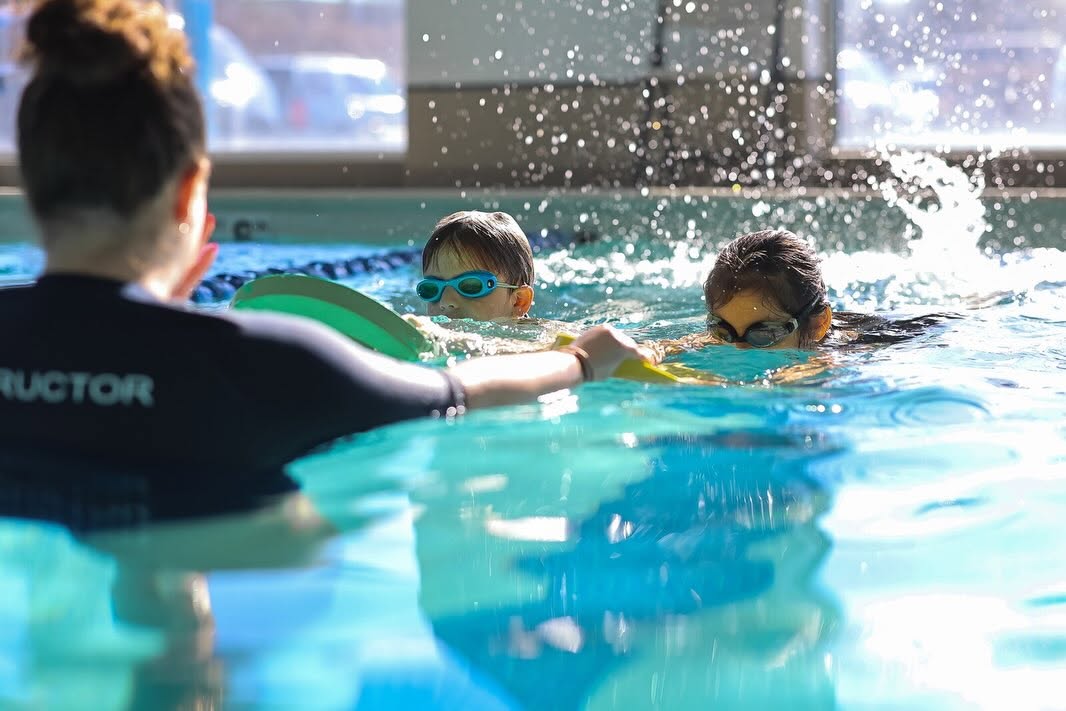
Starfish is our beginner level for children approximately 3 to 6 years old.
Children should be comfortable working directly with an instructor without a parent in the water and capable of following directions while waiting for their turn.
This is where many of the foundational skills younger swimmers have practiced begin developing into more independent swimming.
Starfish swimmers work on:
If your 3, 4, 5, or 6-year-old is new to swim lessons or hasn't yet developed independent swimming skills, Starfish will often be the appropriate place to begin.
Approximate age: 3 to 6 years
Lionfish is the intermediate level of our Elementary Program.
This class is intended for children who have already developed the foundational abilities taught in Starfish and are ready to work more independently on swimming technique.
The focus begins shifting toward proper body position and coordinated movements of the arms and legs.
Skills include:
At this point, children aren't simply becoming comfortable in the water. They're learning how to become more capable swimmers and beginning to develop recognizable swimming strokes.
Approximate age: 5 to 6 years
Kingfish is the advanced level of our Elementary Program and builds directly on the skills learned in Lionfish.
Children entering Kingfish should already have a strong foundation. That includes freestyle with good side breathing, backstroke, breaststroke fundamentals, and the ability to tread water for an extended period.
Swimmers then continue refining those abilities while learning skills such as:
For younger children who have progressed through multiple levels, Kingfish provides an opportunity to continue advancing rather than simply repeating beginner skills because of their age.
This is another question parents commonly have.
Being older does not mean your child is expected to already know how to swim.
Our Youth Program has beginner, intermediate, and advanced levels specifically for children approximately 7 to 12 years old.
A 9-year-old who has never learned to swim does not need to be placed in a class with much younger children simply because they're a beginner.
Instead, they can begin in Marlin.
Approximate age: 7 to 12 years
Marlin introduces older beginners to foundational swimming skills in an age-appropriate environment.
Swimmers work on becoming comfortable submerging, rhythmic breathing, basic side breathing, front and back streamlines, floating, treading water, and retrieving objects underwater.
They'll also begin developing several swimming strokes, including:
This allows older beginners to develop the fundamentals while learning alongside children closer to their own age.
Approximate age: 7 to 12 years
Once swimmers have developed the basics, Barracuda places greater emphasis on proper technique and stronger swimming.
Students work on continuous side breathing for freestyle, backstroke, properly timed breaststroke, introductory butterfly, and drills designed to improve each stroke.
Additional skills include:
The emphasis gradually moves from simply being able to perform a swimming skill toward performing it with better technique and control.
Approximate age: 7 to 12 years
Shark is our advanced Youth level.
At this stage, swimmers continue refining their stroke technique while increasing the distances they're capable of swimming.
Students develop a deeper understanding of all four competitive strokes:
They also begin working on appropriate turns, longer-distance swimming, and the fundamentals of interval training.
For children who love swimming and want to continue challenging themselves, Shark helps bridge the gap between learning how to swim and developing more advanced swimming ability.
The descriptions above can give you a good idea of where your child may belong, but parents shouldn't feel like they have to evaluate every swimming skill themselves.
Age gives us a starting point. From there, swimming experience, confidence, independence, and existing skills all help determine the appropriate level.
And don't worry if your child doesn't move up after every session.
At Hudson Valley Swim, advancement is based on learning the skills associated with a level rather than simply completing a certain number of lessons. It's common for swimmers to repeat a level as they continue developing and mastering those skills.
What matters most is that your child is in an environment where they can continue learning without being overwhelmed or held back.
Swimming isn't a race from one level to the next.
A swimmer may pick up kicking quickly but need more time with side breathing. Another child might be comfortable underwater but still be developing the coordination needed to combine their arms and legs. That's normal.
Our instructors can individualize instruction within a class because children at the same level may still be at different stages of mastering its skills.
At Hudson Valley Swim, our goal is to place swimmers in an environment where they can continue building confidence, improving their technique, and developing the skills they need to become stronger swimmers.
If you're ready to get started, explore our swim lesson programs to learn more about the classes available for your child's age and ability. From a baby's first introduction to the water to advanced stroke development, there's a Hudson Valley Swim level designed to help them take their next step.