At Hudson Valley Swim, our mission centers around water safety, personal empowerment, and community engagement. Recently, Marquita Brown, owner and founder of Hudson Valley Swim North Arlington, took the stage at the Dallas Ultimate Women’s Expo for a special Founder Spotlight LIVE segment with Actress and Producer, Claudia Jordan. Marquita reflected on her entrepreneurial journey, the inspiration behind opening a swim school, and why building confidence in the water is a life-changing skill for people of all ages.
Transitioning from a stable career into business ownership takes courage, vision, and dedication. During her interview, Marquita spoke candidly about the pivotal transition she made after spending 20 successful years in corporate America.
While taking on business ownership was a major leap, Marquita embraced it with what she fondly refers to as “crazy faith”—choosing to trust God, step boldly beyond her comfort zone, and move forward in obedience to what she believed He was calling her to do, even without knowing exactly how it would unfold.
Acknowledging that creative design and branding weren't her primary strengths, Marquita found that the structured, mission-driven franchise model of Hudson Valley Swim was an ideal fit. Owning a franchise allowed her to leverage a proven framework while focusing her passion on what matters most: helping children and adults in Arlington gain essential life skills and feel confident in the water.
For many people, the water can feel intimidating rather than inviting. A core pillar of Marquita’s mission at Hudson Valley Swim Arlington is helping adult learners navigate and overcome water anxiety.
Unlike many recreational activities, swimming provides a vital skill set that lasts a lifetime. During her conversation with Claudia Jordan, Marquita highlighted how Hudson Valley Swim approaches instruction:
During the interview, Marquita and Claudia also touched on common societal myths and stereotypes regarding swimming in adult communities, including the misconception that certain groups don't swim. Both women warmly dispelled this myth, emphasizing that anyone, regardless of background or age, can learn to swim and love the water.
Marquita shared that she took her very first swim lesson at age 27. Raised in Rayville, Louisiana, far from open bodies of water, she didn't have many opportunities to learn as a child. As an adult, her desire to travel, go on vacations, and comfortably participate in aquatic activities inspired her to get into the pool. She refused to stay on the boat while others enjoyed the water—a mindset that eventually led her from being a adult swim student to owning her own swim school.
Marquita and Claudia also pointed out a inspiring parallel: learning to float requires surrendering control and trusting the water, much like taking a leap of faith when launching a business or pursuing a new goal.
Attending and speaking at the Dallas Ultimate Women’s Expo was a fantastic opportunity to connect with fellow women leaders, celebrate local entrepreneurship, and highlight the importance of water safety across North Texas.
We extend our sincere thanks to Claudia Jordan and the Ultimate Women’s Expo team for hosting Marquita and providing a stage to share her story!
Interested in hearing Marquita share her journey in her own words? You can watch the full 4-minute Founder Spotlight segment from the expo stage below:
https://www.facebook.com/share/v/1DUtrYsWYY/Whether you are seeking swim lessons for your child or are an adult ready to overcome water fear and build new confidence, Hudson Valley Swim Arlington, TX is here for you every step of the way.
Reach out to our team today to explore our class schedules and program offerings!
Choosing a swim school is about more than finding the closest pool or the most convenient class time. Instructor experience, teaching techniques, class size, available programs, and the overall learning environment can all affect how a swimmer feels in the water and how steadily they progress.
Many large swim school chains operate dedicated, highly branded facilities with standardized teaching systems designed primarily for young children. These programs may offer colorful surroundings, consistent lesson formats, and a recognizable experience across multiple locations.
Hudson Valley Swim North Arlington takes a different approach. By offering lessons in an established partner pool and prioritizing experienced instructors, small classes, skill-based activities, and measurable development, Hudson Valley Swim creates an environment where swimmers of different ages and abilities can enjoy their lessons while making meaningful progress.
Both approaches can teach important swimming and water-safety skills, but the experiences they provide may be very different. The right choice depends on the swimmer’s personality, the family’s goals, and the type of environment in which that individual learns most effectively.
One of the most noticeable differences between swim schools is the environment surrounding the lesson.
Many large swim school chains operate dedicated aquatic centers designed specifically for children. These facilities may include colorful decorations, branded characters, family changing areas, and a busy, energetic atmosphere. Several classes may take place in separate sections of the pool at the same time, with instructors teaching, children splashing, and families moving throughout the facility.
Some children respond well to this level of activity. Others may find it difficult to hear instructions, maintain focus, or become comfortable with an unfamiliar skill when there is considerable movement and sensory input around them.
Hudson Valley Swim North Arlington offers lessons in the indoor heated pool at LA Fitness on West Road to Six Flags Street. The pool is maintained at approximately 85 degrees, and families do not need an LA Fitness membership to participate.
Rather than depending on elaborate surroundings to maintain a swimmer’s interest, Hudson Valley Swim creates engagement through instructor interaction, games, structured challenges, encouragement, and the satisfaction that comes from making progress.
A focused environment does not mean lessons are overly serious or rigid. Instructors use toys, songs, games, and positive interaction to keep swimmers involved. The fun takes place within the lesson itself and supports what the swimmer is learning.
This type of environment may be especially helpful for:
The goal is to create an environment where swimmers can enjoy being in the water, connect with their instructor, and concentrate on developing new skills.
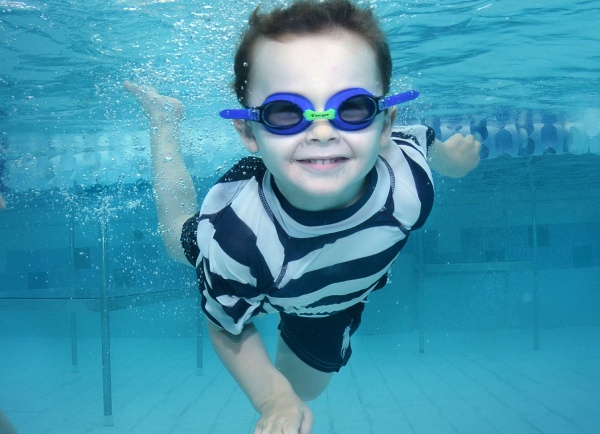
A knowledgeable and encouraging instructor can have a major influence on how a swimmer feels about the water.
Many national swim school chains use standardized training systems to create a consistent teaching structure across their locations. This can make it possible to prepare instructors to deliver a defined curriculum using established lesson plans and activities.
Hudson Valley Swim emphasizes experienced instructors who may also have backgrounds in competitive swimming, coaching, education, or aquatic safety. Many hold lifeguard, Water Safety Instructor, First Aid, CPR, AED, and other relevant certifications.
Hudson Valley Swim instructors also complete training in the company’s curriculum. This includes online learning, co-teaching, and supervised instruction until they demonstrate proficiency. Training continues through in-service sessions and additional courses as new educational materials become available.
This combination of prior experience and continued training helps instructors understand that swimmers do not all respond to the same teaching style.
One child may need reassurance before attempting a new skill, while another may need a greater challenge to remain engaged. A swimmer may understand a technique immediately, or they may need to see and practice it in several different ways.
Senior-level coaching helps instructors:
Hudson Valley Swim instructors combine patience, encouragement, and purposeful coaching. Swimmers receive support while also being challenged to develop the skills needed to become safer, stronger, and more independent in the water.
Instructor continuity is another factor Arlington families may want to consider.
At some swim schools, instructors are trained primarily to teach specific ages or beginner levels. A swimmer may need to change instructors as they progress into more advanced classes.
Hudson Valley Swim’s emphasis on experienced instructors allows many coaches to teach multiple skill levels. When scheduling and class availability permit, a swimmer may be able to continue with an instructor they already know as they advance from beginner skills into intermediate and advanced swimming.
Keeping the same instructor can help preserve:
This continuity may be especially valuable for nervous swimmers, students with special needs, and individuals who need time to become comfortable with a new instructor.
Swimmers are more likely to participate, practice, and return when lessons are positive and enjoyable. Hudson Valley Swim believes that having fun and making progress should work together.
Many swim schools incorporate guided play, games, and positive reinforcement to help children become more comfortable in the water. The important question is how closely those activities connect to the skills being taught.
Hudson Valley Swim North Arlington uses games, dive rings, floating mats, songs, and interactive activities throughout its classes. These activities are selected to reinforce the techniques swimmers are working to master.
Depending on the class level, an activity may help swimmers practice:
For example, retrieving a dive ring can help a swimmer practice submersion and breath control. Moving under a floating mat can build confidence while reinforcing body position and independent movement. Songs and repetition can help infants and toddlers become familiar with new movements in the water.
These activities make lessons engaging, but they are not simply used to fill class time. Each activity supports water safety, swimming development, or confidence.
A small student-to-instructor ratio is important, but families should also consider what swimmers do throughout the entire class.
Hudson Valley Swim’s group lessons are designed to keep students participating throughout the lesson.
In a typical 30-minute class, the instructor works directly with each swimmer while keeping the rest of the group involved in level-appropriate practice. Depending on their abilities, swimmers may work on kicking, floating positions, arm movements, breathing patterns, or other skills from the steps or pool wall while another student receives one-on-one attention.
This structure gives swimmers opportunities to repeat important movements instead of passively waiting for their next turn.
The instructor can also observe how each swimmer responds and adjust the lesson accordingly. When a child is ready for a greater challenge, the instructor can introduce a new variation. When a swimmer needs additional support, the activity can be simplified without separating them from the rest of the class.
The result is a lesson that remains positive and active while still providing individualized attention.
Many swim schools advertise small group classes, but the maximum ratio is only one part of the learning experience.
At Hudson Valley Swim North Arlington, elementary, youth, teen, and adult group classes include no more than four swimmers per instructor. Infant and toddler classes may include up to six parent-and-child pairs because a parent or caregiver remains in the water.
Families should also consider:
Hudson Valley Swim uses small classes to provide individualized feedback within a supportive group environment. Instructors can observe each swimmer closely, correct technique, adjust activities, and help students work toward appropriate goals.
Private and small-group private options are also available for swimmers who need more concentrated instruction or want to learn alongside family members or friends.
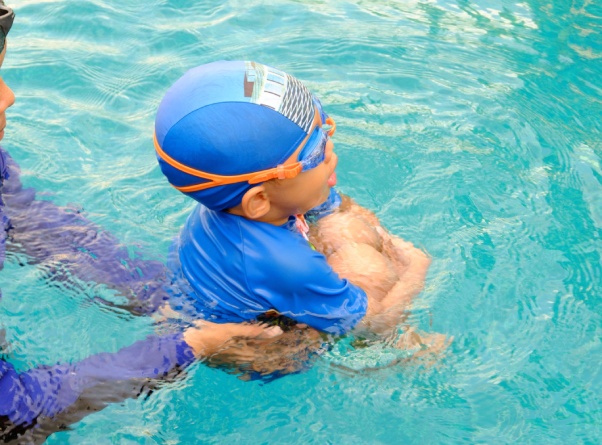
Many large swim school chains focus primarily on infants and children, often serving swimmers from approximately 4 months through age 12.
Hudson Valley Swim North Arlington provides instruction across a broader age range. Its Arlington swim lesson programs include:
This broader program structure allows swimmers to continue developing without outgrowing the swim school.
A toddler can begin building comfort in the water alongside a parent, progress into independent elementary and youth classes, and eventually work on advanced or competitive strokes. Teenagers can improve their technique or prepare for team swimming. Adults can learn foundational skills, refine their strokes, or overcome a longstanding fear of the water.
Swimming is especially relevant in North Texas, where families regularly encounter backyard pools, community pools, lakes, and other recreational water environments. Water safety is not only a summer concern. It is a practical life skill for children and adults throughout the Arlington area.
Some swimmers benefit from private instruction, flexible pacing, or lessons adapted to their sensory, behavioral, physical, or communication needs.
Adaptive programs vary considerably among swim schools. Some offer modified group lessons, while others provide one-on-one instruction. Availability may also depend on the individual location and the instructors currently on staff.
Hudson Valley Swim North Arlington offers dedicated one-on-one adaptive and special-needs swim lessons for swimmers age 2 and older.
Each private lesson begins with an assessment, allowing the instructor to establish goals based on the swimmer’s current skills, comfort in the water, learning style, and individual needs.
Depending on the swimmer, an instructor may adjust:
Private adaptive instruction gives swimmers space to build confidence and enjoy the water without being expected to follow the pace of a conventional group class. It also allows the instructor to develop engaging activities around the swimmer’s interests, abilities, and comfort level.
Families can also review additional information about adaptive swim lessons in Arlington or speak with the local team.
Some swimmers want to continue beyond foundational water safety and recreational swimming.
Advanced programs vary among swim schools. Some child-focused chains offer introductory swim-team programs, while other schools provide stroke-development classes or competitive clinics.
Hudson Valley Swim North Arlington offers competitive swimming clinics for swimmers age 5 and older. These 60-minute classes help students improve technique, efficiency, and endurance.
Depending on the swimmer’s level, advanced instruction may cover:
Families with advanced swimmers should ask whether a swim school provides a clear progression beyond basic independent swimming and whether its instructors have the experience to identify and correct technical issues.
Hudson Valley Swim’s competitive clinics allow swimmers to continue developing within the same overall program after mastering foundational skills.
Swim lesson pricing and enrollment structures vary by school.
Many large swim school chains use ongoing monthly enrollment. Some also charge annual registration or membership fees in addition to lesson tuition. Other programs may offer prepaid packages, sibling discounts, or discounted rates for multiple weekly lessons.
Hudson Valley Swim North Arlington operates through structured 7- and 8-week sessions, with classes meeting once each week.
Current group tuition is:
Both options equal $28 per lesson for infant and toddler, elementary, youth, teen, and adult group classes.
Additional program rates vary by lesson format. Current published pricing includes $448 for an eight-week competitive clinic and $600 for eight one-on-one private or special-needs lessons.
Hudson Valley Swim does not charge an annual membership fee, and families do not need an LA Fitness membership to participate.
When comparing swim lesson costs, families should consider more than the advertised price of one class. Other factors include:
A lower advertised lesson price may not represent the lowest total cost once fees and enrollment commitments are included. Families should request a complete explanation of tuition and policies before registering.
Current rates and enrollment information can be found on the Hudson Valley Swim North Arlington pricing page.
Hudson Valley Swim teaches inside LA Fitness at:
141 West Road to Six Flags Street
Arlington, TX 76011
The facility includes:
The indoor setting allows swimmers to maintain a consistent lesson routine regardless of intense heat, storms, or other North Texas weather conditions.
Consistency matters because swimming skills develop through repetition. Long breaks can cause young swimmers to lose confidence or forget techniques they had only recently begun to master.
Families can review upcoming sessions and enrollment availability on the North Arlington swim lesson schedule.
| Feature | Hudson Valley Swim North Arlington | Typical Large Swim School Chain |
| Facility model | Indoor partner pool at LA Fitness in North Arlington | Dedicated, branded indoor aquatic center |
| Typical atmosphere | Welcoming, engaging, and focused | Highly themed, colorful, and often energetic |
| Instructor approach | Emphasis on experienced instructors, individualized feedback, and measurable progress | Standardized instructor training based on a franchise-wide curriculum |
| Instructor continuity | Experienced instructors may teach swimmers across multiple skill levels | Swimmers may change instructors as their age or level changes |
| Group class size | Up to 4:1 for elementary, youth, teen, and adult classes | Small group ratios are common but vary by company and level |
| Teaching style | Enjoyable activities connected to water safety, confidence, and skill progression | Often incorporates branded games, guided play, and positive reinforcement |
| Age range | Infants beginning at 4 months through teens and adults | Frequently centered on infants and children |
| Adaptive instruction | Dedicated one-on-one special-needs lessons | Adaptive options vary by company and location |
| Competitive development | 60-minute competitive clinics for swimmers age 5 and older | Advanced youth programs vary by company and location |
| Enrollment format | Structured 7- and 8-week sessions | Frequently uses ongoing monthly enrollment |
| Current group price | $28 per lesson | Varies by company, location, and enrollment package |
| Annual membership fee | No annual membership fee | Registration or membership fees may apply |
Program availability, enrollment structures, instructor credentials, class ratios, and facility features vary by swim school. Families should verify current details directly with each program they are considering.
A large swim school chain may appeal to families looking for a dedicated aquatic center, extensive child-focused branding, or a standardized experience across multiple locations.
Hudson Valley Swim North Arlington is designed for families who want lessons to be both enjoyable and productive. Classes incorporate games, encouragement, and positive interaction while keeping activities connected to water safety, confidence, and swimming development.
Hudson Valley Swim may be a strong fit for Arlington families seeking:
The best swim lessons should not force families to choose between having fun and making progress. Hudson Valley Swim brings both together by creating a positive experience that keeps swimmers engaged while helping them become safer, more capable, and more confident in the water.
The best way to evaluate a swim school is to experience its instructors, environment, and teaching approach firsthand.
Hudson Valley Swim North Arlington offers a free introductory lesson for new customers, currently valued at $28. This gives families an opportunity to meet the instructors, experience the pool environment, and see how the swimmer responds before enrolling in a complete session.
Claim a free lesson or explore the available swim programs and discover how Hudson Valley Swim North Arlington helps swimmers build confidence, improve technique, and develop skills that can last a lifetime.
When fall arrives in North Arlington, our routines shift. Kids head back to the classroom, high school football kicks off, and after-school schedules fill up quickly. What doesn't change, however, is the Texas heat.
While parts of the country prepare to close down outdoor pools, families living around North Arlington and the DFW Metroplex often enjoy warm temperatures well into October, November, and beyond. This climate means water exposure remains a constant, year-round backdrop to life in Texas.
Because swimming feels like a standard part of our landscape, it is easy to let our guard down once the chaos of the school calendar kicks in. We tend to view water safety as a summer concern when we are actively taking lake trips or throwing pool parties.
In reality, Arlington’s environment, packed with backyard pools, apartment complex pools, retention ponds, and local creeks, means water hazards remain an everyday reality long after Labor Day.
It is a well-documented national statistic that June, July, and August record the highest volume of swimming accidents. In Texas, however, the line between swimming season and the off-season is often blurred.
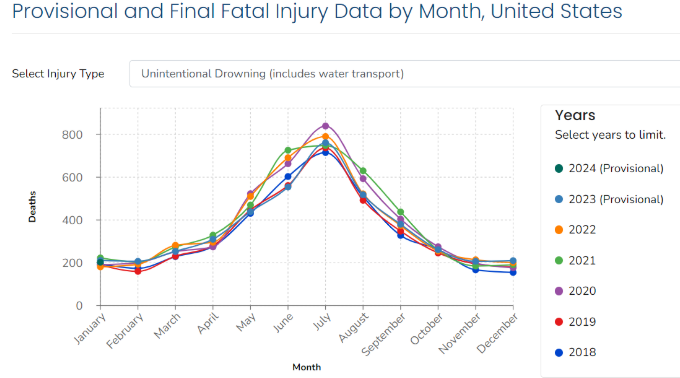
According to fatal injury tracking from the CDC WISQARS database, over 2,500 unintentional drownings occur outside the summer months annually across the nation. In warm, active climates like Arlington, those non-summer months carry elevated risks precisely because access to water does not truly stop.
Drowning during the school year rarely happens because a child decided to go for an intentional, supervised swim. Instead, accidents occur when water is present in the background of everyday life, but adult attention is directed elsewhere.
Most homes in North Arlington that include a pool have a barrier. However, the chaos of the school year often leads to lapses.
A patio door might be left unlatched while parents cook dinner, unpack backpacks, or host friends for a fall football tailgate. A curious toddler or a young child can step right to the pool edge in seconds. Without a dedicated interior pool safety fence separating the house from the water, the standard perimeter fence alone will not keep a child safe.
In North Arlington, water is not limited to backyard pools. Neighborhoods are interwoven with retention ponds, drainage canals, and creeks.
When kids walk home from school, visit classmates down the block, or play outdoors in the cooler autumn evenings, these functional water features pose silent threats. Unlike public pools, natural bodies of water have no clear edges, zero underwater visibility, steep drops, and absolutely no lifeguard presence. A slip on a muddy embankment while chasing a ball can submerge a fully clothed child instantly.
As the school year progresses, children make new friends and start spending afternoons at classmates' homes. Parents naturally drop off their kids expecting typical after-school play.
However, many households have different safety standards around their water features. A host parent might be busy inside, assuming the kids are safely playing video games or doing homework in the bedrooms, while the children wander out toward a backyard pool, hot tub, or neighborhood pond.
North Arlington is home to major attractions like Six Flags and many hotels. While these facilities often have pools and water features, they are not always actively guarded during the off-season, even when open. Ending up in a sudden emergency in an unfamiliar, unguarded environment dramatically increases the danger.
Because Texas children grow up surrounded by water, learning how to swim is not just an optional extracurricular sport. It is a foundational safety necessity.
Data from a CDC Vital Signs report highlights that drowning remains the leading cause of accidental death for children ages 1 to 4 nationwide. Research demonstrates that participating in structured, formal swim instruction reduces drowning risk in young children by up to 88%.
The key word is formal. Free play in a backyard pool during July builds comfort, but it rarely teaches critical, instinctual self-rescue mechanics.
When families pause swim instruction in September, children experience a regression in technical capability over the following months. Breath control weakens, floating instincts fade, and stamina drops. Continuing structured instruction throughout the fall and winter delivers critical advantages:
Keeping your children safe during the school year comes down to establishing multiple layers of protection:
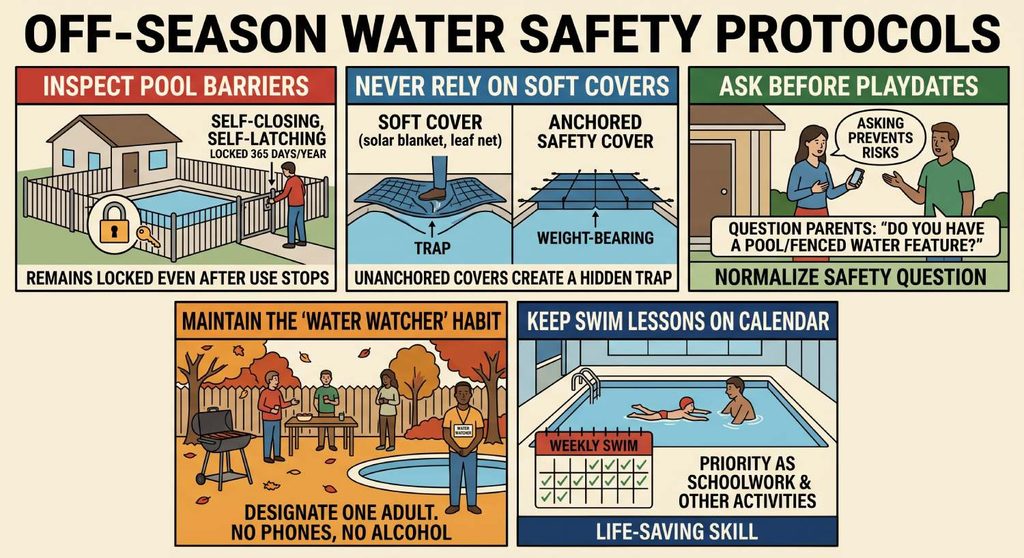
Water safety is not seasonal in North Texas. By recognizing the everyday risks present in our local environment and maintaining continuous skill development, you give your child the tools to stay safe in and around the water all year long.
If you want to build strong, life-saving water skills for your child that last through every season, Hudson Valley Swim - North Arlington is here to help. Our dedicated, experienced instructors teach year-round indoor swim lessons in a warm, comfortable environment.
Ready to get started? Contact us directly to secure your child’s safety:
Hudson Valley Swim - North Arlington
Located inside LA Fitness
141 W Road to Six Flags St.
Arlington, TX 76011
Phone: (682) 456-1500
We are always available to help your family find the right fit. To see our schedule and pricing, please visit:
When people think about learning to swim, they often picture freestyle, backstroke, or diving into the pool.
But one of the most important water skills isn't a swim stroke at all.
It's learning how to float.
Living in Arlington means having easy access to pools, nearby beaches, and countless opportunities to enjoy the water throughout the year. At Hudson Valley Swim, floating is one of the first skills we introduce in our swim lesson programs because it helps swimmers build confidence, stay calm, and develop the foundation for everything that comes next. Whether someone is a young child taking their first lesson or an adult learning to swim later in life, knowing how to float is one of the most valuable skills they can develop.
While floating alone is not a substitute for knowing how to swim, it is an important survival skill that can make a meaningful difference if someone unexpectedly finds themselves in deep water.
Why Floating Is One of the First Skills Taught
Learning to float isn't simply another milestone in swim lessons. It's one of the building blocks that supports every other swimming skill.
Before swimmers begin learning strokes or refining technique, they first need to become comfortable allowing the water to support them. That's why floating is introduced early in our swim lesson programs.
As swimmers learn to float, they begin developing the ability to:
Once swimmers feel comfortable floating, they're often more prepared to tackle the next stages of learning with confidence.
Panic Is Often More Dangerous Than the Water
Unexpectedly finding yourself in deep water can feel overwhelming.
Whether it's a child who wanders into deeper water than expected or an adult who suddenly loses confidence, panic can quickly make a situation more difficult.
When people panic, they often:
One of the reasons we place such an early emphasis on floating is because it helps swimmers learn to slow down, relax, and trust the water instead of fighting against it.
Remaining calm creates opportunities to think clearly and make safer decisions.
Floating Gives Swimmers Time
One of the greatest benefits of learning to float is that it buys time.
Time to catch your breath.
Time to stay calm.
Time to regain confidence.
Time to signal for help if needed.
Even experienced swimmers can become tired after extended periods in the water. Floating provides an opportunity to recover without constantly using energy to stay above the surface.
Instead of exhausting yourself by struggling to tread water continuously, floating allows your body to rest while keeping your airway above the water whenever possible.
Floating Builds Confidence
One of the biggest transformations we see during swim lessons has nothing to do with learning strokes.
It happens when swimmers realize they can trust the water.
Many beginners arrive believing that if they can't swim yet, they have no control once they're in the pool. Learning to float often changes that perspective completely.
As confidence grows, swimmers become more willing to practice new skills like:
Confidence isn't built in a single lesson. It grows through positive experiences, and learning to float is often one of the first major milestones.
Floating Is an Important Skill for Every Age
Floating isn't just for young children.
It's a valuable skill for:
Our swim lesson programs are designed to meet swimmers where they are, helping each individual build confidence and develop essential water safety skills at their own pace.
Floating Is Only One Part of Water Safety
Although floating is incredibly important, it's only one piece of becoming a safe and confident swimmer.
At Hudson Valley Swim, we believe strong water safety also includes:
Developing these habits alongside swimming skills helps create confident swimmers who make smart decisions around the water.
How We Teach Floating
Learning to float is a gradual process.
Rather than expecting swimmers to master it immediately, our instructors introduce floating step by step while encouraging comfort, confidence, and proper body position.
Lessons often begin with simple water familiarization before progressing to supported floating exercises, breathing techniques, and eventually independent floating as swimmers become more comfortable.
Every swimmer learns differently, and that's perfectly okay. Some gain confidence quickly, while others need more time. Our instructors focus on creating a supportive environment where every swimmer can progress at a pace that's right for them.
A Simple Skill That Can Make a Lifelong Difference
Floating may seem like a simple skill, but it plays an important role in both swimming development and water safety.
It helps conserve energy, encourages calm thinking, builds confidence, and creates the foundation for learning more advanced swimming techniques. While no single skill can eliminate every risk around water, learning to float gives swimmers an important tool that can help them stay safer and feel more confident whenever they're in the water.
In a community like Arlington, where swimming, boating, and beach days are part of everyday life, developing strong floating skills can help swimmers feel more prepared and confident whenever they head to the water.
If you're ready to build confidence in the water, explore our swim lesson programs and discover how Hudson Valley Swim Arlington helps swimmers of all ages develop lifelong swimming ability and essential water safety skills.
Enrolling your child in swim lessons is an exciting step, but it's also natural to have questions before that first class. Will they be comfortable in the water? What will they actually do? Will they be expected to swim right away?
At Hudson Valley Swim, we understand that every child starts their swimming journey at a different place. Some children can't wait to jump into the pool, while others need a little extra time to build confidence. That's exactly why our lessons are designed to meet swimmers where they are and help them progress one step at a time.
Your child's first lesson isn't about swimming across the pool. It's about creating a positive experience, building trust with their instructor, and introducing the foundational skills they'll continue developing throughout their swim journey.
We'll Start by Placing Your Child in the Right Class
Every swimmer is different, which is why we offer age and skill-appropriate programs instead of a one-size-fits-all approach.
Our youngest swimmers begin in Pollywog, where parents are in the water alongside their child. As children gain confidence, they progress through programs like Goldfish, Starfish, Lionfish, and beyond, with each level introducing new skills while reinforcing those they've already learned.
Older children and teens are placed into beginner, intermediate, or advanced classes based on their current swimming ability, ensuring they're challenged without feeling overwhelmed.
Starting in the right class allows every swimmer to learn at a comfortable pace while building confidence from day one.
Meet Your Hudson Valley Swim Instructor
One of the first things your child will do is meet their instructor.
Our instructors know that teaching swimming starts with building trust. They'll introduce themselves, welcome your child into the class, and take time to understand their comfort level before beginning any instruction.
Rather than expecting every swimmer to learn the same way, our instructors adapt their approach to each child. Some children are ready to jump right in, while others simply need encouragement and a few positive experiences before they begin trying new skills.
Creating a supportive environment helps children feel safe, confident, and excited to return for their next lesson.
Building Confidence Comes Before Swimming Skills
During the first lesson, the focus is on helping children become comfortable in the water.
For many younger swimmers, that means participating in fun activities that naturally introduce foundational swimming skills. Depending on your child's age and class level, they may practice:
These early activities may seem simple, but they're the building blocks for everything that comes later. Children who feel comfortable in the water are better prepared to learn proper swimming technique as they continue progressing through our program.
Parents Play an Important Role
Many parents wonder if they'll be in the water during their child's first lesson.
For our youngest swimmers in the Pollywog program, parents participate in every lesson. Together, you'll learn techniques that help your child feel safe and comfortable while enjoying songs, toys, and games that make learning fun.
In our Goldfish program, parents remain in the water while children begin working more directly with their instructor and gain confidence becoming more independent.
As swimmers move into our elementary programs, including Starfish and Lionfish, they begin working independently with their instructor while parents cheer them on from the pool deck.
This gradual progression helps children become more confident while ensuring they always receive the support they need.
Every Lesson Builds on the One Before It
Your child's first lesson is just the beginning.
As swimmers become more comfortable, they'll continue developing new skills at each level of our program. What starts with blowing bubbles and floating eventually grows into freestyle, backstroke, breaststroke, butterfly, side breathing, treading water, diving, endurance training, and refined stroke technique.
Because every class builds on previously learned skills, children develop confidence while steadily becoming stronger, safer swimmers.
It's Okay If Your Child Is Nervous
Not every first lesson looks the same.
Some children smile from the moment they enter the pool. Others may cling to a parent, hesitate before getting in the water, or become emotional during those first few minutes.
All of these reactions are completely normal.
Our instructors work patiently with every swimmer, celebrating small victories along the way. For one child, success might be putting their face in the water for the first time. For another, it may be floating independently or kicking across a short distance.
Learning to swim is a process, and confidence often grows a little more with each lesson.
How Parents Can Help After Class
The encouragement children receive after class is just as important as what happens during the lesson.
Celebrate their effort rather than focusing only on new skills. Ask them what they enjoyed most, praise their willingness to try something new, and remind them that every lesson helps them become more comfortable in the water.
Avoid comparing your child's progress to others. Every swimmer develops at their own pace, and consistent attendance is one of the biggest factors in long-term success.
Every Great Swimmer Starts Somewhere
Every confident swimmer began with a first lesson.
At Hudson Valley Swim, our goal is to help every child build confidence, develop strong swimming skills, and become safer in and around the water. Whether your child is just beginning in our Pollywog program or is ready for one of our more advanced classes, they'll be guided by experienced instructors who understand how to make learning both effective and enjoyable.
If you're ready to get started, explore our swim lessons to find the program that's the right fit for your family. We look forward to welcoming you to Hudson Valley Swim and helping your child begin a lifelong journey of confidence in the water.
Starting swim lessons is an exciting milestone, whether you're enrolling a young child or learning to swim yourself.
It's normal to have a few questions before your first visit. What should you bring? What should you wear? Is there anything you should do before arriving?
The good news is that preparing for your first swim lesson is simple.
At Hudson Valley Swim, we want every swimmer to feel comfortable and confident from the moment they walk through our doors. Bringing a few essential items, and knowing what to expect, can help make your first lesson a smooth and enjoyable experience.
For families in Arlington, where pools, beaches, and year-round warm weather make swimming a regular part of life, arriving prepared helps swimmers start building confidence from day one.
Arrive Ready to Swim
One of the easiest ways to prepare is by arriving dressed in your swim attire.
Our facilities include changing pods on the pool deck if you need them after your lesson, but we recommend arriving ready to swim so you can check in, meet your instructor, and get into the water without feeling rushed.
We also recommend arriving a few minutes early for your first lesson. Giving yourself a little extra time helps everyone settle in before class begins and allows you to start your lesson feeling relaxed.
Wear a Bright Swimsuit
Your swimsuit does more than provide comfort. It also helps improve visibility in the water.
We recommend choosing bright, vibrant colors whenever possible. Bright swimsuits are easier for instructors to see during lessons and can make swimmers more visible in the water.
Whenever possible, avoid swimsuits that are:
Choosing a brightly colored swimsuit is a simple way to improve visibility while creating a better learning environment.
Bring a Pair of Goggles
If there's one item we recommend bringing to every lesson, it's a comfortable pair of goggles.
Goggles help remove one of the biggest barriers many beginners face, putting their face in the water.
Instead of worrying about water getting into their eyes, swimmers can focus on learning new skills and listening to their instructor.
Goggles also help:
It's common for new swimmers to pop up and immediately rub their eyes or look for a towel. Goggles help eliminate those distractions so swimmers can stay engaged and continue building confidence throughout the lesson.
Long Hair? Bring a Swim Cap or Tie It Back
Long hair can quickly become a distraction during swim lessons.
Hair that falls into a swimmer's face often needs to be pushed aside, making it harder to focus on learning and following instructor directions.
For swimmers with hair that reaches their shoulders or longer, we recommend either:
Keeping hair out of the face allows swimmers to concentrate on learning while also helping keep the pool cleaner.
Don't Forget a Towel
It may seem simple, but it's easy to forget a towel when you're preparing for your first lesson.
Having one ready on the pool deck allows swimmers to dry off comfortably after class before heading home.
Swim Diapers for Infants and Toddlers
For swimmers under the age of three, we require they wear both:
Using both provides an extra layer of protection and helps reduce the chance of accidents that can result in temporary pool closures.
It's a simple step that helps keep lessons running smoothly for every family participating in the program.
A Few Optional Items
Although not required, a few extra items can make your visit even more convenient.
Many swimmers also choose to bring:
These items aren't required, but they can make transitioning to and from your lesson a little easier.
What You Don't Need to Bring
First-time swimmers sometimes assume they should bring their own pool toys or training equipment.
Our instructors provide the equipment needed during lessons, allowing swimmers to focus on learning proper techniques instead of bringing extra gear from home.
Leave items like floaties, kickboards, pool noodles, and toys at home unless your instructor specifically recommends otherwise.
You're Ready for Your First Lesson
Preparing for your first swim lesson doesn't have to be complicated.
Arriving in your swimsuit, bringing goggles and a towel, wearing a bright-colored swimsuit, and tying back long hair are simple steps that can help create a positive first experience in the water.
Whether you're introducing a child to swim lessons or beginning your own swimming journey, coming prepared allows you to spend less time worrying about logistics and more time building confidence in the pool.
If you're ready to get started, explore our swim lesson programs and discover how Hudson Valley Swim Arlington helps swimmers of all ages build confidence, develop lifelong swimming skills, and stay safer in and around the water.
Whether you're enrolling your child in swim lessons or learning to swim yourself, it's natural to wonder how quickly progress will happen.
Some people seem to gain confidence in the water almost immediately, while others feel like they're making slower progress. Then life gets busy. A vacation, illness, or a packed schedule leads to a few missed lessons, and it can feel like you're back where you started.
The good news is that this is completely normal.
Learning to swim is much like learning to ride a bike, play an instrument, or speak a new language. Progress doesn't happen overnight. It develops through layering of skills, regular practice, repetition, and growing confidence over time.
In Arlington, where pools, beaches, and boating are part of everyday life, developing strong swimming skills isn't just about recreation. It's also an important part of staying safe around the water.
The biggest factor in long-term success isn't natural talent. It's consistency.
Swimming Skills Are Built Through Repetition
Every swim lesson builds on the one before it. We call this layering skills. Think about how children are taught to read. It starts with learning letters, then blends, then words, then composing sentences. Learning swimming skills is done much in the same way.
Whether someone is learning to float for the first time, improving their freestyle, or becoming more comfortable in deep water, swimming is a skill that develops through repeated practice.
Each lesson reinforces movements, improves coordination, and helps build muscle memory. Over time, swimmers begin spending less time thinking about each movement and more time swimming naturally and confidently.
Early lessons often focus on foundational skills like:
These may seem like small accomplishments individually, but together they form the foundation for confident swimming.
Missing Lessons Can Slow Progress
Everyone misses a lesson occasionally. Vacations, work, school, illness, and family commitments are all part of life.
However, frequent or extended breaks between lessons can slow progress.
Without regular practice, swimmers may need time to rebuild confidence or refresh skills before moving on to more advanced techniques. Instructors often spend part of the lesson reviewing previously learned skills rather than introducing new ones.
That doesn't mean all progress is lost. It simply means consistency helps maintain momentum and keeps learning moving forward.
Confidence Grows Through Familiarity
Swimming isn't just about technique. It's also about confidence.
As swimmers attend lessons consistently, they become more comfortable with:
For children, this familiarity often makes it easier to try new skills without fear.
For adults, it can reduce anxiety and help replace uncertainty with confidence.
When swimmers feel comfortable in their surroundings, they're able to focus more energy on learning instead of overcoming nerves.
Everyone Learns at Their Own Pace
One of the most common questions instructors hear is, "How long will it take to learn?"
The honest answer is that every swimmer is different.
Progress can be influenced by factors such as:
One of the few factors swimmers and families can control is consistency.
Showing up regularly provides more opportunities to practice, reinforce skills, and continue building confidence from one lesson to the next.
Learning to swim isn't about racing through levels. It's about developing skills that last a lifetime.
Can More Than One Lesson Per Week Help?
For many swimmers, one lesson each week provides an excellent foundation for steady progress.
Some individuals and families choose to attend multiple lessons each week to increase practice opportunities.
More frequent lessons can reinforce newly learned skills while they're still fresh, helping swimmers continue building confidence and improving technique.
While attending multiple lessons isn't necessary for success, maintaining a consistent schedule is one of the best ways to support steady improvement.
How to Keep Building Skills Between Lessons
Progress doesn't have to stop when class ends.
There are plenty of simple ways to reinforce swimming skills between lessons, including:
For parents, creating positive experiences around water can help children build confidence outside of formal instruction. Adult swimmers can also benefit from spending additional time in the water to reinforce what they've learned.
With so many opportunities to enjoy the water throughout the Arlington area, from neighborhood pools to nearby beaches, maintaining those skills through consistent practice can help swimmers stay confident wherever they choose to swim.
Consistency Builds Lifelong Confidence
Learning to swim is a journey that happens one lesson at a time.
Whether the goal is helping a child become safer around water, preparing for recreational swimming, or finally learning a skill you've always wanted to master, consistency is one of the biggest drivers of long-term success.
Regular swim lessons provide the repetition, encouragement, and confidence needed to develop strong swimming skills over time.
If you're looking for swim lessons in Arlington, Hudson Valley Swim offers programs for swimmers of all ages and skill levels. Explore our swim lesson programs and discover how consistent, engaging instruction can help swimmers become safer, stronger, and more confident in the water.
One of the most common questions parents ask before signing up for swim lessons is simple:
“How long will it take for my child to learn to swim?”
The honest answer is that it depends on what “learning to swim” means for your child.
For some swimmers, learning to swim means becoming comfortable in the water, floating independently, and building basic safety skills. For others, it means confidently swimming across the pool, understanding multiple strokes, and feeling comfortable in deeper water.
At Hudson Valley Swim, many children begin building confidence and foundational skills during an 8-week swim session through our swim lesson programs, but swimming is often a gradual process that develops over time. Just like learning to read, ride a bike, or play a sport, progress happens through consistency, repetition, and practice.
The good news is that most families start noticing meaningful progress much sooner than they expect.
What Progress Can Families Expect During an 8-Week Swim Session?
At Hudson Valley Swim, lessons are structured into 8-week sessions to help swimmers build confidence through consistent instruction and repetition. While every child progresses differently, many swimmers begin developing important foundational skills during their first session.
For beginner swimmers, this may include becoming more comfortable in the water, learning to float, putting their face underwater, improving breath control, kicking with better coordination, and safely reaching the wall independently.
For many parents, the biggest change is confidence. Children who once felt nervous about the pool often become calmer, more comfortable, and more willing to try new skills after several weeks of lessons.
That said, finishing one 8-week session does not necessarily mean a child has fully “learned to swim.” Rather, it often marks the beginning of a stronger foundation that future skills can build on.
Learning to Swim Looks Different for Every Child
One reason this question can be difficult to answer is because swimming ability exists on a spectrum.
For some children, learning to swim simply means developing enough comfort and awareness to move safely through water and respond calmly if they accidentally end up in deeper water. For others, swimming may mean confidently crossing the pool, building endurance, and learning proper stroke mechanics.
Every swimmer progresses differently depending on their age, comfort level, previous exposure to water, and overall confidence.
A child who spends time in pools regularly may progress more quickly than someone who is nervous around water or just getting started. Similarly, older children may understand instructions faster, while younger swimmers may need more repetition as they build trust and confidence.
Neither experience is wrong. Progress simply looks different for every swimmer.
Water Confidence Usually Comes First
For many beginners, especially younger swimmers, the first stage of learning to swim focuses on water comfort and safety.
Before children can confidently swim independently, they first need to feel comfortable in the water itself. That means learning to trust instructors, becoming more relaxed around the pool, understanding how their body moves in water, and developing basic safety habits.
For children just getting started, infant & toddler swim lessons and beginner-focused programs can help build confidence in a supportive environment.
This stage often includes skills such as:
Some children develop water confidence quickly. Others take more time, particularly if they feel hesitant or nervous. That is completely normal.
The goal is not rushing progress. The goal is helping swimmers build a positive relationship with water while developing skills safely and consistently.
Learning Swim Strokes Takes More Time
Once swimmers feel comfortable and confident in the water, instruction often shifts toward stronger technique and stroke development.
This is where many parents begin redefining what “learning to swim” really means.
Basic water safety skills can develop relatively quickly, but learning to swim confidently with proper technique usually takes more time.
Developing foundational strokes like freestyle, backstroke, breaststroke, and elementary backstroke often happens gradually. While many swimmers begin learning these movements early, building enough coordination and confidence to perform them well for short distances takes continued instruction and repetition.
Many swimmers begin introducing these skills in elementary swim lessons or youth swim lessons as their confidence grows and they become ready for more advanced instruction.
Swimming is more than simply moving arms and legs. Swimmers are learning breathing patterns, body positioning, timing, coordination, endurance, and water awareness all at once.
This is why consistent lessons tend to matter so much. Strong technique develops over time.
Why Some Children Learn Faster Than Others
Parents often wonder whether their child is progressing “fast enough.”
In reality, there is a wide range of what normal progress looks like.
Several factors can influence how quickly a swimmer develops, including age, previous water exposure, confidence, consistency, and personality.
Some children are naturally adventurous and eager to jump in right away. Others need more time to build trust before feeling comfortable trying new skills. Children who attend lessons consistently and spend time practicing between sessions also tend to progress faster than swimmers with long breaks between lessons.
This is one reason many families continue enrolling in ongoing swim lessons as skills develop and confidence grows over time.
The important thing to remember is that swimming is not a race.
Progress is rarely perfectly linear. Some weeks may feel slower than others before a child suddenly experiences a major breakthrough.
Is One Session Enough to Learn to Swim?
For some swimmers, one 8-week session may be enough to build confidence and basic independent swimming skills.
For others, especially children working toward stronger stroke technique or greater endurance, learning to swim may take multiple sessions.
This is particularly true for swimmers learning to:
For swimmers who would benefit from more individualized instruction or extra confidence-building, private swim lessons can sometimes help accelerate progress and provide additional support.
The encouraging part is that once swimmers build foundational confidence, continued progress often becomes easier and more noticeable over time.
So, How Long Does It Really Take to Learn to Swim?
For many children, noticeable progress begins during their first 8-week swim session. Families often see increased confidence, stronger water safety habits, and meaningful improvements in comfort and independence.
However, truly learning to swim with confidence often happens in stages. Most swimmers first build comfort in the water, then confidence, followed by stronger swimming technique, endurance, and stroke development as lessons continue.
Every swimmer’s timeline is different, and that is completely normal.
What matters most is consistency. With supportive instruction, patience, and regular practice, children can continue building swimming skills that help them feel safer, stronger, and more confident around water over time.
Explore our swim lesson programs today and help your swimmer build confidence and skills that can last a lifetime.
For many parents, one of the biggest questions about swim lessons is simple:
When should my child start?
Some parents wonder if their child is too young. Others worry they may have waited too long.
The truth is, there is no one “perfect” age for every child. Every swimmer develops differently, and comfort around water depends on factors like age, confidence, maturity, and previous water exposure.
However, most swim professionals agree on one thing:
Earlier exposure to water in a safe, structured environment can help children build confidence and stronger safety habits over time.
For many families, swim lessons are not just about learning strokes. They are about helping children become safer, more confident, and more comfortable around water.
Why Starting Swim Lessons Earlier Can Make a Difference
Many parents wait until summer begins, an upcoming vacation approaches, or their child is invited to more pool parties before thinking about swim lessons.
In reality, confidence around water is usually built gradually through repetition and positive experiences.
Starting swim lessons earlier gives children more time to:
Water exposure often begins earlier than parents expect. Children may encounter water during vacations, hotel stays, family gatherings, camps, swim parties, beach trips, boating outings, splash pads, and neighborhood pool visits.
Research published through the National Institutes of Health found that formal swim lessons may reduce the risk of drowning among young children by as much as 88%.
For many families, swim lessons become less about “learning to swim” and more about helping children feel safer and more confident whenever water is involved.
Swim Lessons by Age: What Parents Should Expect
Every child develops differently, but understanding the general age ranges can help parents choose the right starting point.
At Hudson Valley Swim, programs are designed around different developmental stages so swimmers can build confidence in a way that makes sense for their age, comfort level, and ability.
Infant & Toddler Swim Lessons: 4 Months to 2 Years
For babies and toddlers, swim lessons are less about independent swimming and more about safe water introduction, comfort, and early familiarity.
Infant and toddler swim lessons often focus on:
At this stage, the goal is not to rush children into advanced skills. The goal is to help them feel safe, supported, and comfortable in the water.
For many families, starting during infancy or toddlerhood can help reduce fear later and create a healthier relationship with water from the beginning.
Elementary Swim Lessons: Ages 3 to 6
Ages 3 to 6 are often an important window for building foundational swim skills.
At this stage, many children are ready to follow simple instructions, practice with an instructor, and develop stronger independence in the water.
Elementary swim lessons often focus on:
This is often when parents begin to see major confidence breakthroughs.
Small milestones, like putting their face underwater, floating without help, or swimming short distances, can quickly build momentum.
For children in this age range, consistency is especially important. Repeated exposure helps skills feel more natural and helps swimmers become calmer around water over time.
Youth Swim Lessons: Ages 7 to 12
If your child is between 7 and 12 and has not started swim lessons yet, do not worry.
It is never too late to begin.
Older children often build skills quickly because they are more coordinated, more physically capable, and better able to understand instructions. At the same time, some older beginners may carry more fear or hesitation if they have had limited water exposure or a negative past experience.
Youth swim lessons can help older children:
Many parents are surprised by how quickly older children can progress once they begin consistent lessons in a supportive environment.
Signs Your Child May Be Ready for Swim Lessons
While age matters, readiness matters too.
Your child may be ready for swim lessons if they:
That said, nervous or hesitant children can also benefit from swim lessons.
Children do not need to be fearless before starting. In many cases, confidence is built because of lessons, not before them.
A supportive swim environment can help children gradually become more comfortable while learning at a pace that feels safe.
Is It Ever Too Late to Start Swim Lessons?
One of the biggest misconceptions parents have is:
“I should have started earlier.”
The reality is that children can benefit from swim lessons at almost any age.
Whether your child is an infant, toddler, elementary-age beginner, or older youth swimmer, building water confidence and safety skills is always worthwhile.
Starting later does not mean starting behind.
It simply means starting now.
For children who feel nervous around water or need more individualized attention, private swim lessons can sometimes provide extra comfort, flexibility, and support.
What Matters Most Is Consistency
If there is one thing swim instructors consistently see, it is this:
Confidence around water is built over time.
Children often progress through small milestones:
Some children progress quickly. Others need more repetition and encouragement.
Both are completely normal.
The goal is not perfection overnight. The goal is helping children feel safer, more confident, and more prepared around water over time.
So, What Is the Best Age to Start Swim Lessons?
The best age to start swim lessons is usually:
Earlier than most parents think.
What matters most is helping children build confidence, comfort, and stronger water safety habits before they find themselves in situations where those skills matter.
Water should be associated with confidence, fun, and lifelong memories, not fear or uncertainty.
Whether your child is just being introduced to water or ready to develop stronger swim skills, starting swim education is one of the most valuable investments many families can make.
There’s something truly magical about the moment a baby experiences water for the first time; floating in their parent’s arms, feeling the warmth of the indoor heated pool, and giggling as they splash around. At Hudson Valley Swim, we believe that swimming isn’t just a life skill; it’s a bonding experience that strengthens the connection between parents and their little ones while providing incredible cognitive and emotional benefits for babies.
Creating Lasting Memories Through Water
From the moment parents step into the warm, welcoming environment of our indoor heated pools, they are met with an experience designed to foster trust, comfort, and joy. Water has a naturally soothing effect, and when parents hold their babies close in the pool, it creates a deep sense of security. This bonding moment is more than just fun, it lays the foundation for a lifelong relationship of trust and communication.
At Hudson Valley Swim, we encourage parents to actively engage in the learning process. By holding their baby, maintaining eye contact, and speaking reassuring words, parents become their child’s first swim instructor. This shared experience strengthens the parent-child bond, creating a sense of teamwork and mutual confidence that extends beyond the water.
Cognitive and Emotional Benefits of Parent-Baby Swim Time
Swimming from an early age is linked to numerous cognitive and developmental benefits. Here’s how bonding in the pool enhances a child’s growth:
Join Us at Hudson Valley Swim for a Special Bonding Experience. We are passionate about creating a warm, nurturing environment where families can enjoy the joy of swimming together. Our indoor heated pool ensures year-round comfort, making it the perfect setting for babies and parents to explore the water in a relaxed, stress-free way.
We offer small class sizes, allowing for personalized instruction and a focused learning experience. Whether it’s your baby’s first time in the pool or you’re looking to strengthen their skills, we are here to guide you every step of the way.
Make a Splash with Your Little One!
There’s no greater joy than watching your child’s face light up with excitement as they discover the wonders of the water. Join us at Hudson Valley Swim, and create beautiful, lasting memories with your baby, one splash at a time!
Ready to dive in? Contact us today to learn more about our baby swim classes and start your child’s swimming journey in the most loving and supportive way possible.

Experience Hudson Valley Swim! Explore our program, and find the perfect fit for your swimmer!
Offer available for new customers only.