
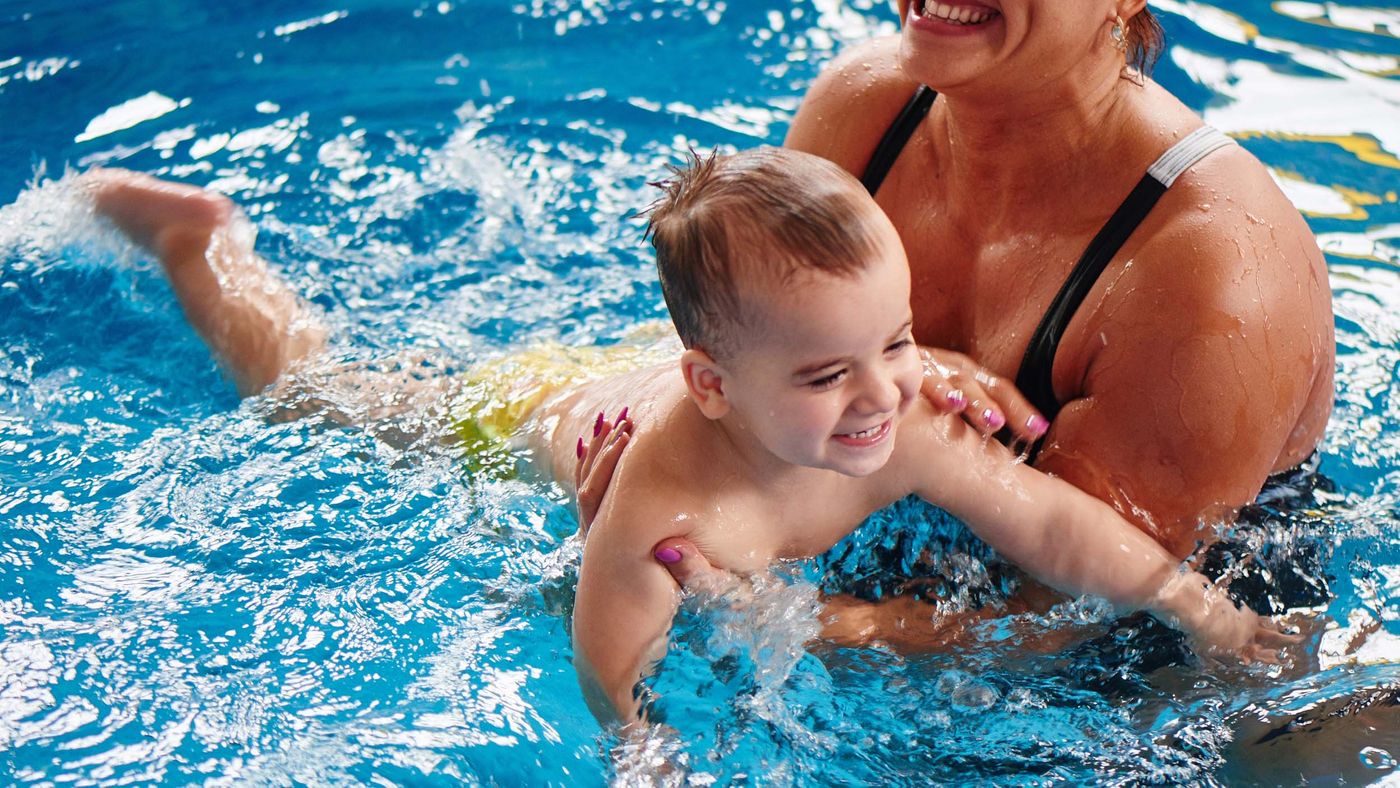
For many parents, one of the biggest questions about swim lessons is simple:
When should my child start?
Some parents wonder if their child is too young. Others worry they may have waited too long.
The truth is, there is no one “perfect” age for every child. Every swimmer develops differently, and comfort around water depends on factors like age, confidence, maturity, and previous water exposure.
However, most swim professionals agree on one thing:
Earlier exposure to water in a safe, structured environment can help children build confidence and stronger safety habits over time.
For many families, swim lessons are not just about learning strokes. They are about helping children become safer, more confident, and more comfortable around water.
Why Starting Swim Lessons Earlier Can Make a Difference
Many parents wait until summer begins, an upcoming vacation approaches, or their child is invited to more pool parties before thinking about swim lessons.
In reality, confidence around water is usually built gradually through repetition and positive experiences.
Starting swim lessons earlier gives children more time to:
become comfortable in the water
build trust with instructors
practice listening and following directions
learn foundational water safety habits
develop confidence at their own pace
and feel calmer in unfamiliar water environments
Water exposure often begins earlier than parents expect. Children may encounter water during vacations, hotel stays, family gatherings, camps, swim parties, beach trips, boating outings, splash pads, and neighborhood pool visits.
Research published through the National Institutes of Health found that formal swim lessons may reduce the risk of drowning among young children by as much as 88%.
For many families, swim lessons become less about “learning to swim” and more about helping children feel safer and more confident whenever water is involved.
Swim Lessons by Age: What Parents Should Expect
Every child develops differently, but understanding the general age ranges can help parents choose the right starting point.
At Hudson Valley Swim, programs are designed around different developmental stages so swimmers can build confidence in a way that makes sense for their age, comfort level, and ability.
Infant & Toddler Swim Lessons: 4 Months to 2 Years
For babies and toddlers, swim lessons are less about independent swimming and more about safe water introduction, comfort, and early familiarity.
Infant and toddler swim lessons often focus on:
gentle water introduction
comfort around the pool
parent participation
early floating basics
safe submersion when appropriate
and creating positive experiences around water
At this stage, the goal is not to rush children into advanced skills. The goal is to help them feel safe, supported, and comfortable in the water.
For many families, starting during infancy or toddlerhood can help reduce fear later and create a healthier relationship with water from the beginning.
Elementary Swim Lessons: Ages 3 to 6
Ages 3 to 6 are often an important window for building foundational swim skills.
At this stage, many children are ready to follow simple instructions, practice with an instructor, and develop stronger independence in the water.
Elementary swim lessons often focus on:
floating independently
breath control
safely reaching the wall
basic water safety habits
pool confidence
early swim technique
and listening skills around water
This is often when parents begin to see major confidence breakthroughs.
Small milestones, like putting their face underwater, floating without help, or swimming short distances, can quickly build momentum.
For children in this age range, consistency is especially important. Repeated exposure helps skills feel more natural and helps swimmers become calmer around water over time.
Youth Swim Lessons: Ages 7 to 12
If your child is between 7 and 12 and has not started swim lessons yet, do not worry.
It is never too late to begin.
Older children often build skills quickly because they are more coordinated, more physically capable, and better able to understand instructions. At the same time, some older beginners may carry more fear or hesitation if they have had limited water exposure or a negative past experience.
Youth swim lessons can help older children:
build stronger swim skills
improve comfort in deeper water
practice safer habits around pools and open water
strengthen confidence
improve endurance
and feel more prepared for camps, vacations, and recreational swimming
Many parents are surprised by how quickly older children can progress once they begin consistent lessons in a supportive environment.
Signs Your Child May Be Ready for Swim Lessons
While age matters, readiness matters too.
Your child may be ready for swim lessons if they:
enjoy bath time or water play
seem curious around pools or water
ask to swim independently
feel comfortable separating briefly from parents
are beginning to follow simple instructions
or show excitement around swimming activities
That said, nervous or hesitant children can also benefit from swim lessons.
Children do not need to be fearless before starting. In many cases, confidence is built because of lessons, not before them.
A supportive swim environment can help children gradually become more comfortable while learning at a pace that feels safe.
Is It Ever Too Late to Start Swim Lessons?
One of the biggest misconceptions parents have is:
“I should have started earlier.”
The reality is that children can benefit from swim lessons at almost any age.
Whether your child is an infant, toddler, elementary-age beginner, or older youth swimmer, building water confidence and safety skills is always worthwhile.
Starting later does not mean starting behind.
It simply means starting now.
For children who feel nervous around water or need more individualized attention, private swim lessons can sometimes provide extra comfort, flexibility, and support.
What Matters Most Is Consistency
If there is one thing swim instructors consistently see, it is this:
Confidence around water is built over time.
Children often progress through small milestones:
getting comfortable entering the pool
putting their face underwater
learning to float
safely reaching the wall
practicing breathing
and eventually swimming more independently
Some children progress quickly. Others need more repetition and encouragement.
Both are completely normal.
The goal is not perfection overnight. The goal is helping children feel safer, more confident, and more prepared around water over time.
So, What Is the Best Age to Start Swim Lessons?
The best age to start swim lessons is usually:
Earlier than most parents think.
What matters most is helping children build confidence, comfort, and stronger water safety habits before they find themselves in situations where those skills matter.
Water should be associated with confidence, fun, and lifelong memories, not fear or uncertainty.
Whether your child is just being introduced to water or ready to develop stronger swim skills, starting swim education is one of the most valuable investments many families can make.